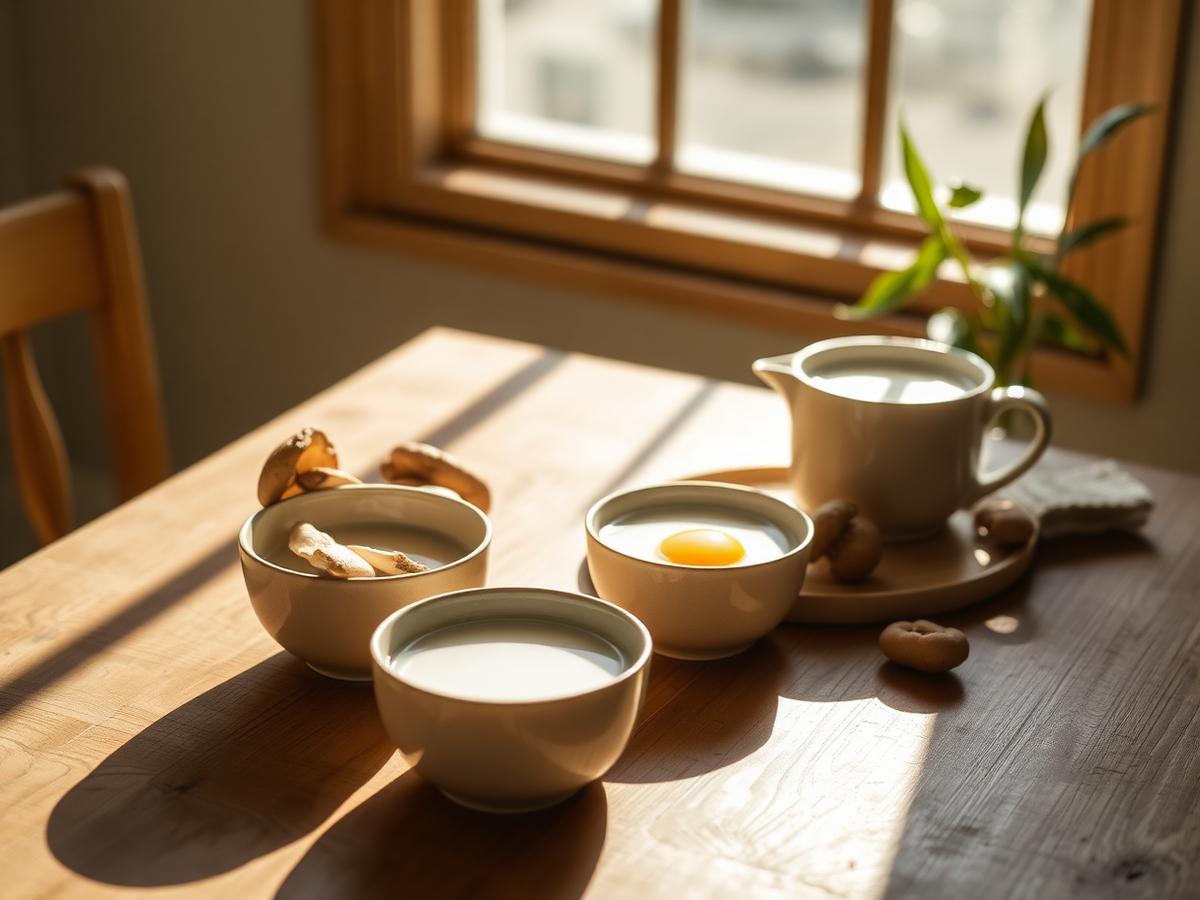
A simple explanation.
Iron is a mineral your blood uses to carry oxygen from your lungs to every cell. When iron runs low for a long time, oxygen delivery slows — and so do you. It's especially common in women, growing children and people with mostly vegetarian diets.
How it might feel.
- Constant tiredness
- Weakness in arms / legs
- Pale skin or nails
- Shortness of breath
- Cold hands and feet
- Brittle hair, hair fall
Modern life, traditional gaps.
Polished grains, low intake of leafy greens, skipped meals, and heavy tea/coffee right after meals (which blocks iron absorption) all play a role. Vegetarian sources of iron also need a little vitamin C alongside to be absorbed well.
Foods that quietly help.
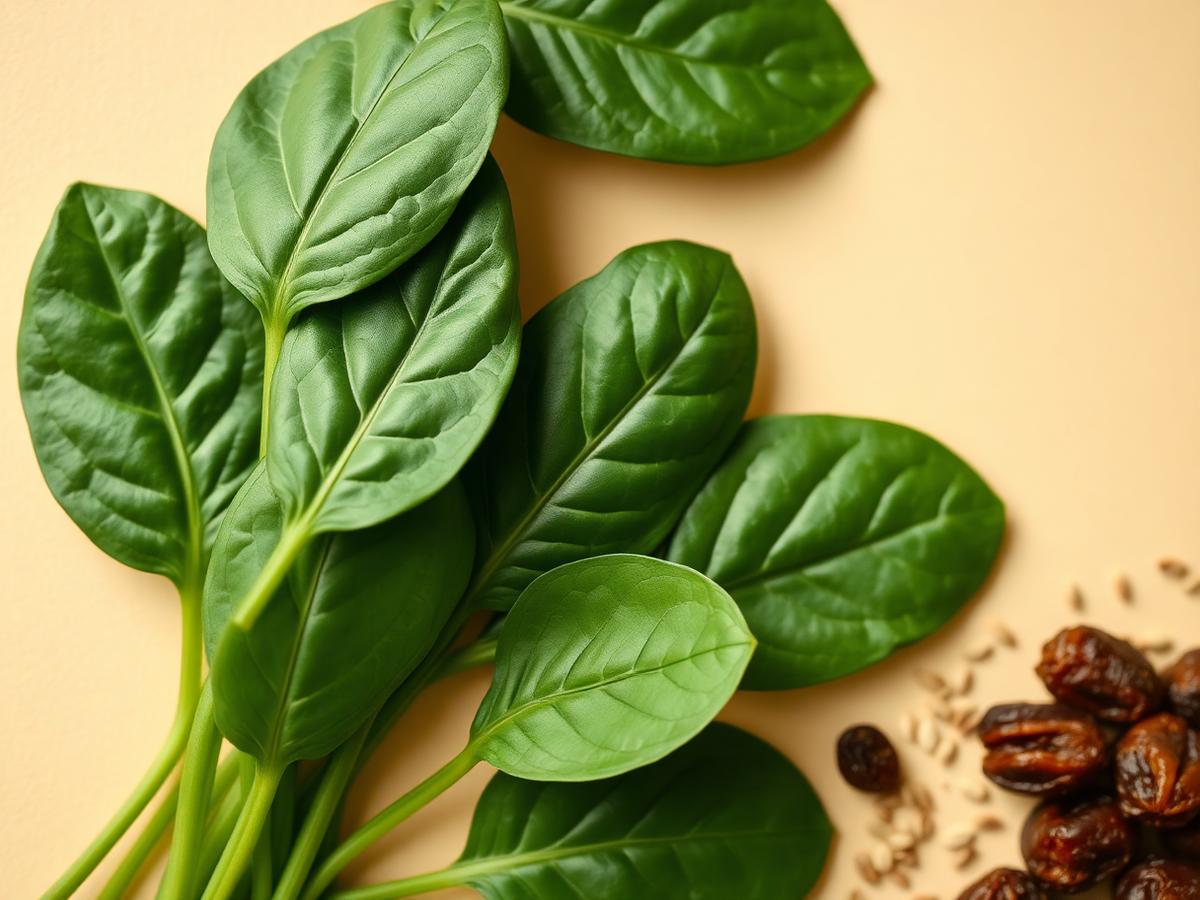
Cook with a squeeze of lemon for better absorption.
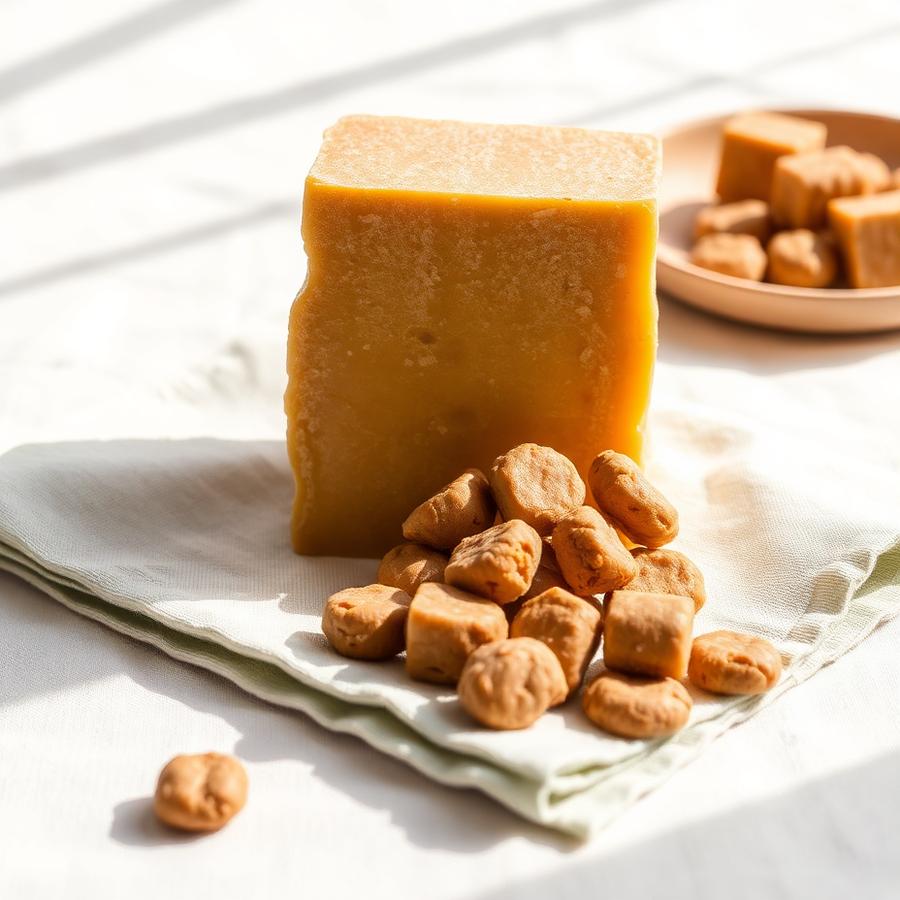
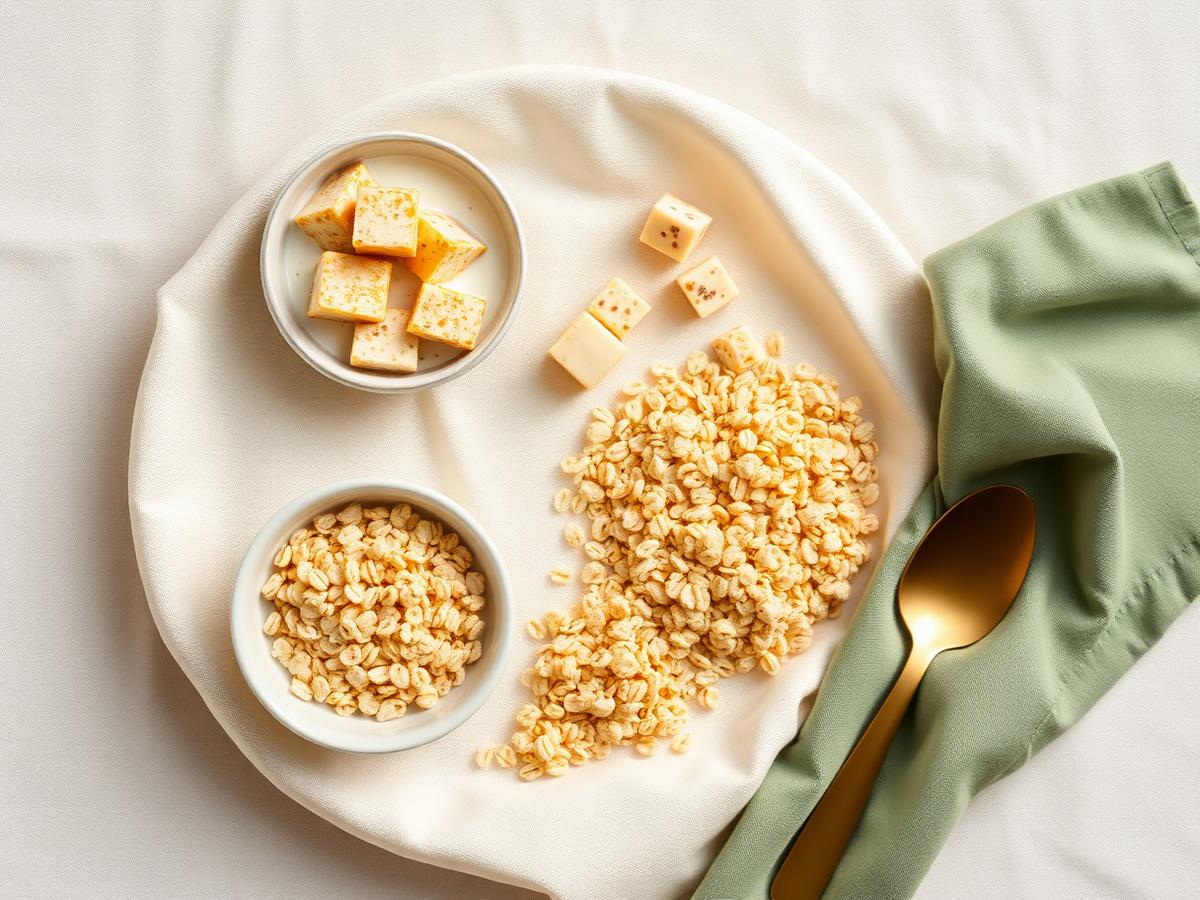
A traditional sweetener with a little iron in every bite.
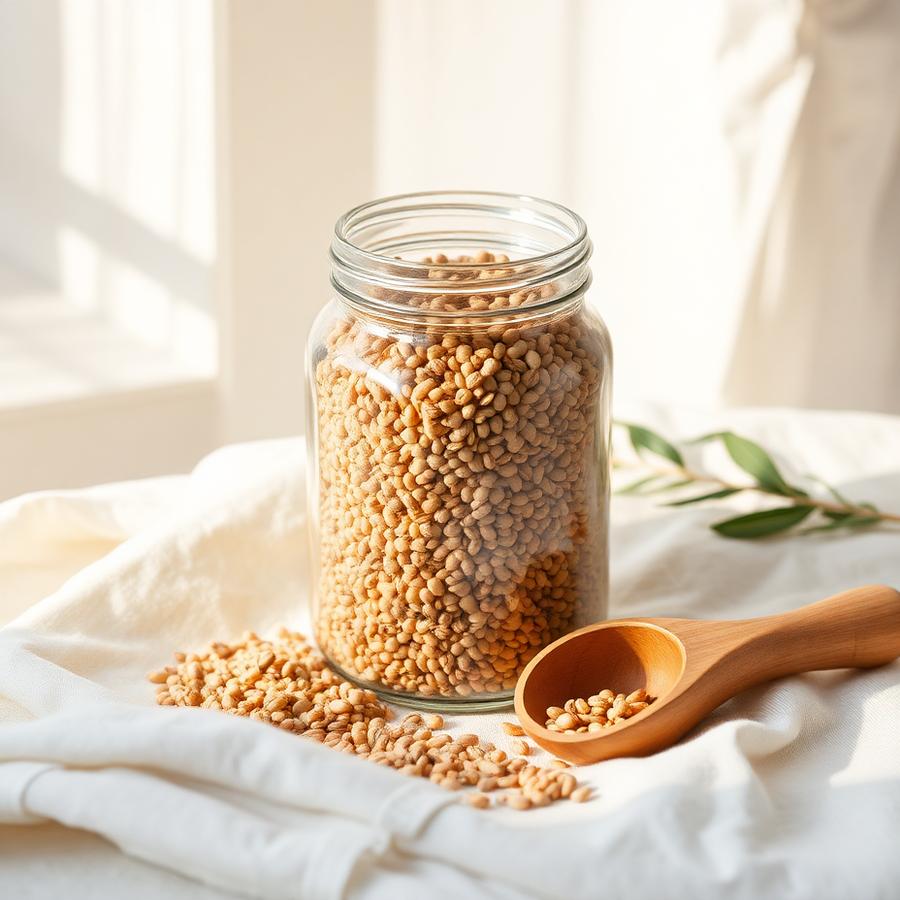
Whole grains that carry minerals your body actually uses.
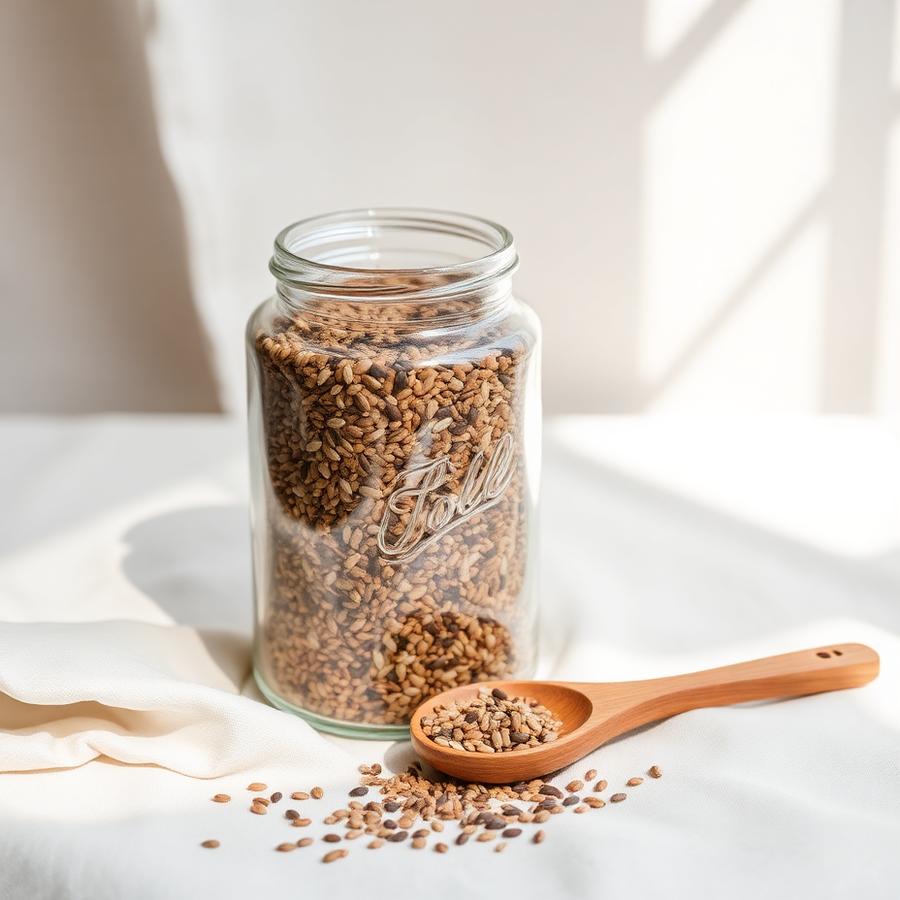
Easy to sprinkle on rotis, salads, or curd.
A simple, sweet snack with iron and natural sugars.
Pair with tomato or lemon for the vitamin C boost.
Small things, every day.
- 1. Wait 30–45 mins after meals before tea or coffee.
- 2. Add lemon, amla or tomato to iron-rich meals.
- 3. Cook in a traditional iron kadhai when possible.
- 4. Soak and sprout grains and legumes when you can.
- 5. Replace one polished grain meal with a millet meal weekly.
When to consult a doctor
Persistent fatigue, very pale skin, breathlessness on light activity, or unusual heartbeats deserve a proper check-up. Food-first habits support good health — they don't replace medical diagnosis.
Made with iron-friendly foods.